
Flat pack containers arrive in sections and are bolted together on site, which makes them easy to transport and quick to put up. They are a popular choice for offices, storage and site cabins when access is tight or when a crane is not practical. Here is how they work and how to choose one.
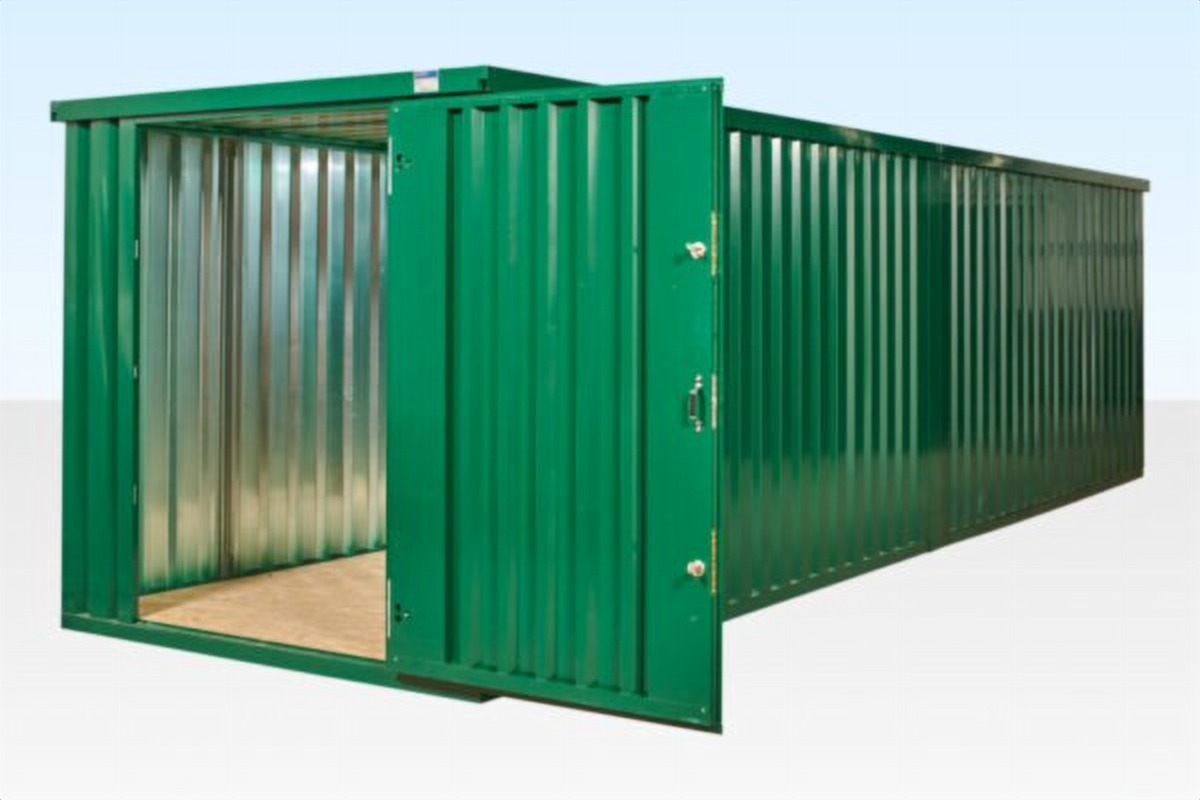
What is a flat pack container?
A flat pack container is a steel-framed unit supplied as panels and a frame that are assembled on site. Unlike a standard ISO shipping container, it is purpose-built for use as a cabin or store rather than for sea freight. Many models are galvanised or powder-coated for corrosion resistance.
Benefits of flat pack
- Lower transport cost: many units fit on a standard vehicle, so delivery can be simpler.
- Easy access: sections can be carried through narrow gates or into awkward spaces.
- Quick assembly: a small team can usually assemble a unit within a day.
- Extendable: some designs can be joined or reconfigured later.
Flat pack office cabins
Flat pack cabins work well as site offices, guard rooms and small workspaces. Compare our 2.3m x 2.3m flat pack office cabin for compact needs with the larger 6.5m flat pack office cabin for teams.
Flat pack storage containers
For secure storage, a galvanised or powder-coated flat pack unit gives a weatherproof, lockable space. See the 3m x 2.1m galvanised flat pack storage container or the powder-coated flat pack storage container.
Preparing your site
You will need a level, well-drained base such as compacted hardcore, concrete pads or a slab. Check the unit weight and make sure you have room to lay out the panels while assembling. Read our guide to container maintenance to keep the unit in good condition after installation.
Flat pack vs standard shipping container
A standard container is a one-piece steel box that is craned into place and is extremely robust. A flat pack unit trades some of that rigidity for easier transport and access. If you are unsure which is right, our guide to choosing a container walks through the decision.
Before you order, check three practical points. First, confirm the size once the unit is assembled: flat pack buildings are usually quoted by external footprint, so the usable internal space is slightly smaller. Second, decide where the unit will stand. A flat, firm base such as concrete pads or a slab keeps the panels aligned and the doors closing properly. Third, ask what fixings and instructions come with the unit and who will assemble it, because larger flat pack offices are best fitted by an experienced installer. If the building will be permanent or sit close to a boundary, the Planning Portal explains when planning permission or building regulations may apply. Comparing these details against a standard container helps you choose the right option. Taking time to measure the site and confirm vehicle access for delivery now can save a costly return visit later, and it means your quote reflects the real conditions on the day.
Frequently asked questions
How long does it take to assemble a flat pack container?
Many units can be assembled in a day by a small team, although larger or fitted cabins can take longer.
Do flat pack containers need planning permission?
It depends on use and duration. Permanent structures may need permission, so check with your local authority.
Are flat pack containers secure?
Yes. Steel construction and lockable doors make them a secure option when installed correctly on a proper base.
Can a flat pack container be moved later?
Many can be dismantled and reassembled, but check the specific model before buying.
Find the right flat pack unit
Browse our portable buildings and cabins or get in touch and we will help you pick a size.