
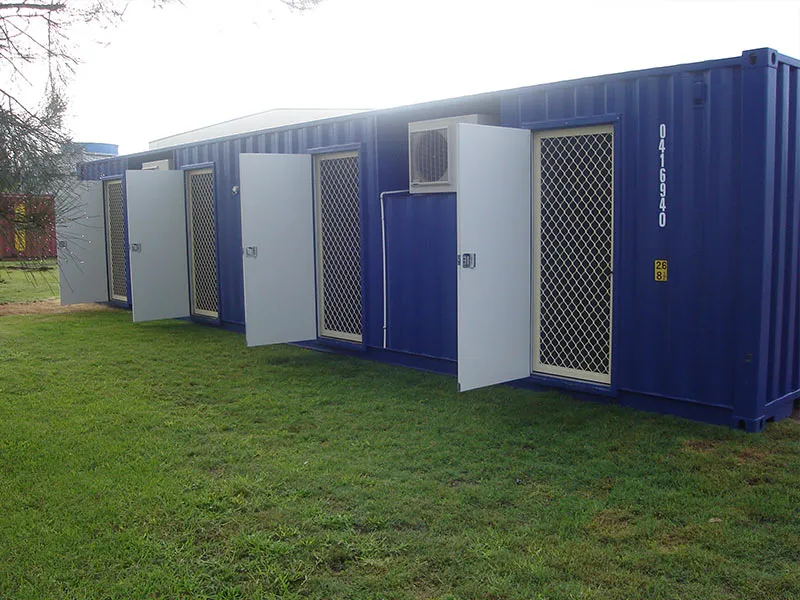
Interest in shipping container homes UK-wide has grown fast, driven by rising build costs and demand for a faster, more predictable alternative to bricks and mortar. Before you commit to a container as your next home, garden annex, or holiday let, here are six real cost bands for 2026, the planning rules that actually apply, and the building regulations every conversion has to meet.
Table of Contents
- Why people are choosing shipping container homes UK-wide
- What size container do you need
- Shipping container homes UK: 6 real cost bands
- Planning permission for shipping container homes UK
- Building regulations basics
- Getting started
- FAQs
1. Why people are choosing shipping container homes UK-wide
Three reasons keep coming up when people explain why they chose a container build over a traditional one:
- Speed — a container shell arrives structurally complete, cutting months off a conventional build timeline.
- Cost predictability — with so much of the structure fixed before delivery, there’s far less scope for budget creep.
- Sustainability — repurposing steel that would otherwise sit idle fits naturally into circular-economy construction.
Container living also suits a wide range of uses beyond a full-time residence: garden annexes, guest suites, home offices, and holiday lets are common entry points before people scale up to a full container home. You can read more about who we are and how we work on our About page.
2. What size container do you need
Most shipping container homes UK-wide are built from 20ft or 40ft units, often high cube spec for the extra headroom once insulation and finishing are added. A single 40ft high cube gives a genuinely liveable studio; larger homes typically combine multiple containers side by side or stacked.
Starting with one-trip or new stock is strongly recommended, since you’re cutting into the steel for windows, doors, and services — a structurally clean shell makes that process far more straightforward. You can browse current container stock and sizes on our shop page.
3. Shipping container homes UK: 6 real cost bands
- Base container only (unconverted, 20ft one-trip): roughly £1,850–£2,700
- Base container only (unconverted, 40ft high cube): roughly £2,800–£3,800
- Basic single-container studio/annex conversion: low-to-mid thousands on top of the container, for a simple insulated shell with basic electrics
- Fully fitted single-container home office or guest suite: mid-to-high thousands, once you add insulation, plumbing, heating, and glazing
- Multi-container full residence: costs scale significantly with the number of units and how they’re joined
- Ongoing costs — rust treatment, re-insulation, and servicing every 10–15 years should be budgeted for regardless of size
Because so much depends on your specific size and finish, the most reliable way to get an accurate figure is to request a quote with your exact requirements rather than working from averages alone.
4. Planning permission for shipping container homes UK
This is where most first-time buyers of shipping container homes UK-wide trip up. In England, a container used as an outbuilding (garden office, annex, storage) may fall under permitted development rights, provided it meets size, height, and positioning limits. Using a container as a primary residence, however, almost always requires full planning permission and building regulations approval, since it has to meet the same habitability standards as any other home.
Rules differ across England, Scotland, Wales, and Northern Ireland, and every local authority interprets permitted development slightly differently — always check with your local planning office before ordering a container, not after. The Planning Portal’s official outbuildings guidance is the best starting reference for England.
5. Building regulations basics
Regardless of planning permission, any container intended for habitation needs to meet UK Building Regulations covering:
- Thermal insulation (Part L)
- Fire safety and escape routes (Part B)
- Structural stability, especially where containers are stacked or modified (Part A)
- Ventilation, drainage, and electrical safety (Parts F, H, and P)
Working with an experienced supplier matters here — a container modified with these standards in mind from the outset is far cheaper to certify than one needing retrofitting.
6. Getting started
If you’re serious about a container home project, the practical next step is a proper quote for your exact container size and specification, so you can plan realistic costs before applying for planning permission. Head over to our get a quote page to start that conversation, or browse our other buyer guides if you want to research further before deciding. You can also see our full range of stock and options from the homepage.
7. Frequently asked questions
Do I need planning permission for shipping container homes UK-wide? It depends on use — outbuildings and annexes may qualify for permitted development, but a primary residence almost always needs full planning permission. Always confirm with your local authority first.
How much do shipping container homes UK-wide typically cost? A basic single-container annex can start in the low thousands on top of the container price, while a fully fitted home office or multi-container residence runs considerably higher depending on specification.
How long do shipping container homes UK-wide typically last? With proper rust treatment, insulation, and maintenance, a well-built container home can last 25+ years — comparable to, or longer than, many conventional modern builds.