
Shipping container homes for sale in the UK are attracting growing interest, thanks to fast build times and modern, efficient layouts. Whether you want a granny annexe, a holiday let or a compact main residence, this guide covers the main options and what to check before you buy.
Types of container homes
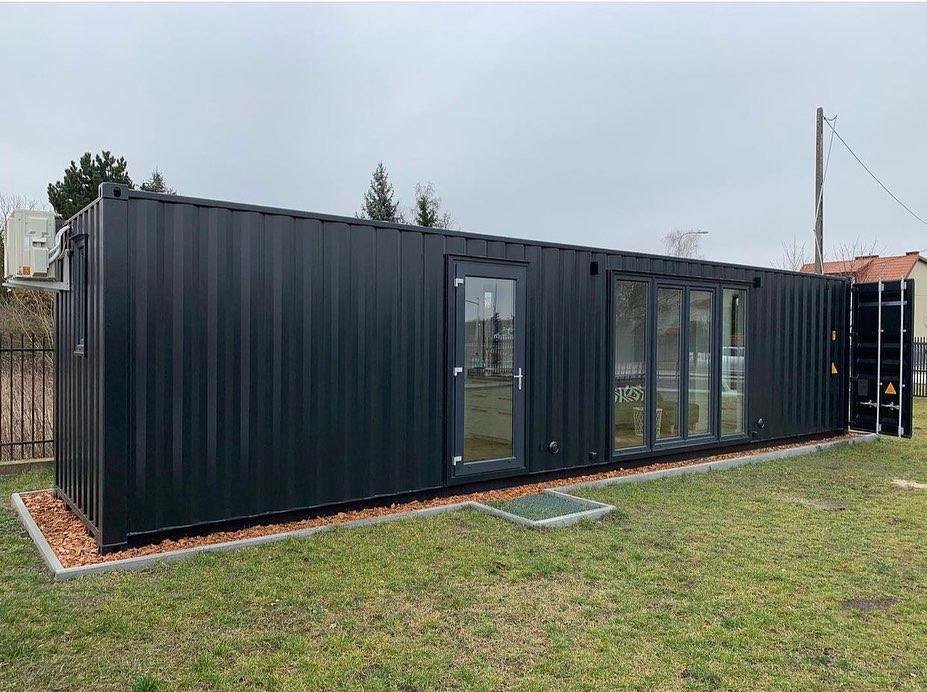
40ft container houses
A 40ft unit gives roughly 29 square metres of floor area, enough for a bedroom, bathroom, kitchen and living space. Our 40ft shipping container house is a good example of a ready-finished layout.
Expandable prefab houses
Expandable homes are transported folded and open out on site to give a larger living area. The 19ft x 20ft mobile expandable prefab house is designed for quick setup and flexible use.
Multi-container builds
For larger families you can combine several containers into one building. This needs more design work and careful structural planning. See our shipping container homes UK guide for a full cost breakdown.
What to check before you buy
- Planning permission: a home almost always needs it. Read our planning permission guide.
- Building Regulations: insulation, fire safety, ventilation and structure must comply for a dwelling.
- Services: check water, drainage, electricity and heating arrangements.
- Foundations: a proper base keeps the building level and stable.
- Mortgage and insurance: lenders and insurers treat non-traditional builds differently, so ask early.
Costs to expect
The purchase price is only part of the budget. Allow for groundworks, utilities, delivery, craning, and finishing. Our container cost guide explains typical price ranges, and delivery and installation covers site access.
Choosing new, used or converted
A new or one-trip container usually gives the cleanest shell for a conversion. Used containers can save money but need careful inspection; see container grades explained to understand condition ratings.
Shipping container homes for sale: planning and building rules
A container home is a permanent dwelling, so it has to meet the same standards as any other new home. In England you will normally need planning permission for a new dwelling, and the work must comply with building regulations covering structure, insulation, fire safety, ventilation and electrics. The government’s building regulations approval guidance explains the process, and your local planning team can confirm what applies in your area. Rules differ in Scotland, Wales and Northern Ireland, so check locally before you commit to a design.
Allow for connections to water, drainage and electricity, and think about how the home will be heated and ventilated all year round. A site survey, a suitable foundation and a clear delivery route for the crane lorry should all be agreed before the unit is ordered. Settling these details early keeps the project on budget and makes quotes easier to compare.
Finally, ask each supplier exactly what is included. Some homes are delivered fully fitted with kitchen, bathroom and wiring, while others arrive as a shell for you to finish. Knowing the difference, and who is responsible for each stage, is the best way to compare like with like when you shop for shipping container homes for sale.
Frequently asked questions
Can I live in a shipping container in the UK?
Yes, provided the building has planning permission where required and meets Building Regulations for insulation, safety and ventilation.
How much does a shipping container home cost?
It varies widely with size, specification and site work. Compare listings and budget separately for groundworks, services and delivery.
Are container homes insulated?
Good conversions are fully insulated and lined to meet thermal standards and prevent condensation.
Can I get a mortgage on a container home?
Some lenders will consider them, but many are cautious. Speak to a specialist broker before you commit.
See container homes for sale
View our 40ft container house and expandable prefab house, or contact us to discuss your project.